 Terraria Wiki Fieldbook
potions in terraria: what to brew, carry, and drink
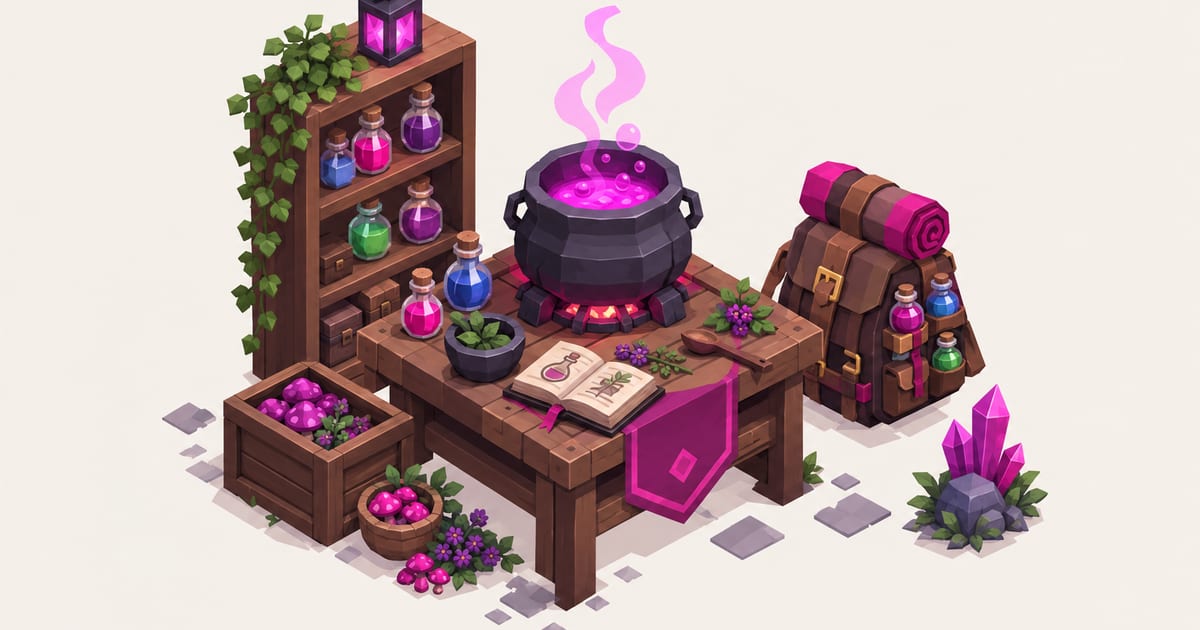
The first rule of potions in terraria is simple: carry more than you think you need. A fight that feels impossible often becomes manageable after one Ironskin, one Regeneration, and a calm sip of healing at the right moment. The problem is that potion advice tends to swing between a giant spreadsheet and a vague instruction to brew everything. This field guide is the middle ground: what to carry, how to restock, and when to actually drink.
Why potions in terraria change fights more than raw damage
Buff potions do not replace gear, but they let you fix a specific weakness for one fight. Low defense? Ironskin and Endurance. Bad mobility? Swiftness and Featherfall. A class weapon that feels close but not quite there? Archery, Magic Power, or Summoning. The point is not to drink everything. The point is to choose two or three buffs that answer the fight in front of you.
Healing potions are different. They are emergency recovery, and they come with Potion Sickness. That cooldown is the real cost. A player who drinks a healing potion at half health and then takes another big hit has wasted the potion. A player who waits until they have space to dodge, then drinks, gets the full value. Mana potions work the same way with Mana Sickness: useful, but not a substitute for mana management. If you are still learning a boss, treat healing as a limited resource, not a reflex.
The potion categories worth knowing
Healing and mana potions
Carry the best healing potion you can craft reliably. Do not carry a stack of your rarest healing potion for routine caves if it means you stop using potions altogether. The same logic applies to mana. A mage with a full stack of basic mana potions is usually better prepared than a mage hoarding greater mana potions for a perfect run. Upgrade your default stack as your supply improves.
Buff potions
Think in jobs rather than names. Defense buffs, damage buffs, movement buffs, and environmental buffs. Ironskin, Endurance, Regeneration, and Lifeforce cover survival. Wrath or Rage, Archery, Magic Power, and Summoning cover offense. Swiftness, Featherfall, Obsidian Skin, Gills, and Water Walking cover terrain problems. Utility potions such as Spelunker, Shine, Night Owl, Hunter, Dangersense, Mining, and Builder save time outside combat. You do not need every buff at once; you need the ones that match the next 10 minutes.
Utility and situational potions
Utility potions are where a lot of players leave value on the table. A Spelunker potion turns a blind cave crawl into a route. A Hunter potion prevents a random enemy from becoming a surprise. A Dangersense potion makes traps visible before they matter. These are not boss-fight buffs, but they make the preparation phase faster, and faster preparation means more attempts at the content you actually want to beat. Keep a small utility stack in your piggy bank or nearby chest so you can grab it without a full inventory reshuffle.
How to stock potions in terraria without turning it into a chore
Most potion shortages are not a crafting problem. They are a logistics problem. You need bottles, herbs, and a reason to brew in batches. Set up a small herb farm near your crafting station, even if it is just planter boxes for the herbs you use most. Keep a chest for bottles and another for finished potions. When you come back from a cave trip, empty your inventory into those chests before you run off again. The goal is a restock loop that takes a minute, not a weekend.
Fishing is the other half of the supply chain. Some potion ingredients come from fish, and a good fishing session can cover several brewing cycles at once. If you are still using the starter rod for everything, read the fishing rods guide and match the rod to the water and the bait you actually have. You do not need a perfect setup; you need enough fish to stop rationing potions.
For early healing potions, the Merchant is a practical fallback when your herb farm is still small. Basic potions bought from NPCs are not exciting, but they keep you moving while your stock catches up. The NPC guide is useful here because shop inventory and happiness routing are easy to neglect until you need something specific.
Once you have an Alchemy Table, use it. It is one of those crafting stations that quietly changes the economics of brewing by stretching your ingredients. Even before that, brew in batches. Making 10 potions at a time is faster than crafting one whenever you are about to die. Keep a few empty bottles in your inventory when you explore; filling them at water is trivial, and the crafting menu will tell you what you can make with what you have.
When to drink potions in terraria during a fight
Pre-buff before the fight starts, not after the first hit. Drink movement and defense buffs before you summon the boss or cross the point of no return. If the fight has phases, check your buff timers during transitions. A buff that expires halfway through a long fight is not a buff; it is a countdown to a mistake.
During the fight, separate healing from panic. Drink a healing potion when you have a window to dodge, not the instant your health drops. If you are about to take unavoidable contact damage, healing first may just waste the potion. If you are at low health and the boss is winding up a big attack, dodge first, then heal. Mana users should treat mana potions the same way: drink when you can afford the Mana Sickness, not as a spam button.
Boss attempts are where potion discipline pays off. The boss progression guide is useful for planning which buffs matter at each stage, but the general rule is stable: bring defense, regeneration, movement, and one offense buff that matches your weapon. If you are still choosing a weapon identity, the class guide explains why a focused loadout is easier to support with potions than a mixed inventory.
A practical potion loadout by stage
| Stage | Always carry | Add for bosses | Utility |
|---|---|---|---|
| Early game | Lesser Healing, Lesser Mana | Ironskin, Regeneration, Swiftness | Spelunker, Shine |
| Early Hardmode | Healing, Mana | Endurance, class damage buff, Obsidian Skin when needed | Hunter, Dangersense |
| Later progression | Greater Healing, Greater Mana | Lifeforce, Wrath or Rage, class buffs | Builder, Mining, Battle |
Treat the table as a starting point. If a fight kills you because you run out of healing, bring more healing. If it kills you because you cannot dodge, bring movement and defense. If it kills you because the fight lasts too long, bring offense. Potions are a feedback loop: each failed attempt should tell you which slot to change.
Common mistakes with potions in terraria
Hoarding rare potions is the most common. A Super Healing Potion saved for a rainy day does nothing while you are dying in the rain. Use the tier that keeps your supply sustainable, and save the top tier for fights where the extra healing actually changes the outcome.
Ignoring Potion Sickness is the second. If you drink a healing potion early, you cannot drink another until the cooldown ends. That means the first potion should be deliberate. Do not drink at 90 percent health because you are nervous; drink when the healing will not be overheated by the next hit.
Another mistake is treating buffs as permanent. They are not. Check timers before a boss, and top up between phases. Keep your buff potions in a consistent chest slot so you can rebuff without reading every tooltip. Finally, do not forget utility. A Dangersense potion that saves you from a trap is just as valuable as an Ironskin potion that saves you from a hit.
A simple restock routine
After a play session, do three things. First, dump herbs, fish, and bottles into your crafting chest. Second, craft a batch of your default healing and mana potions. Third, refill the buffs you actually used. That routine prevents the classic situation where you want one more boss attempt but realize you have no Ironskin, no Regeneration, and a single healing potion in the piggy bank.
Keep the routine small enough to repeat. A giant potion warehouse looks impressive, but a tidy chest with labeled rows is faster to use. If you play with friends, agree on a shared potion chest and a rule for restocking. The group that shares potions usually gets more attempts out of the same ingredients.
If you take one thing from this guide, make it this: potions in terraria are a preparation system, not a panic button. Build a small herb farm, keep a restock chest, and carry a loadout that matches the fight. You will spend less time dying to avoidable damage and more time learning the boss.
Frequently Asked Questions
What is the best healing potion in Terraria?
There is no single best healing potion for every stage. Use the strongest healing potion you can craft or buy in a sustainable supply, then save the top tier for boss fights and emergencies. The real upgrade is not one potion; it is keeping a full stack, respecting Potion Sickness, and drinking at a moment when the healing will not be wasted.
Do buff potions stack in Terraria?
Different buff potions stack because they apply different buffs, so Ironskin, Regeneration, Swiftness, and a class damage buff can all be active at once. The same potion does not stack with itself; drinking it again refreshes the timer instead of adding a second copy. Check the buff icons under your health bar to see what is actually active before a fight.
Why can't I drink another healing potion?
Healing potions apply Potion Sickness, a cooldown that prevents another healing potion from working until it expires. That is why the first heal should be deliberate. Drink when you have a dodge window and the healing will matter, not just because your health dropped. If you keep dying during the cooldown, add defense or movement buffs instead of carrying more healing potions.
How do you get potions in Terraria?
You get most potions by crafting them at a bottle or alchemy station with bottled water and ingredients such as herbs, mushrooms, fish, and ores. Early basics can also come from NPC shops and chest loot. Build a small herb farm, fish when you need special ingredients, and check the Guide's crafting menu to see what your current stock can make.